Who I Am
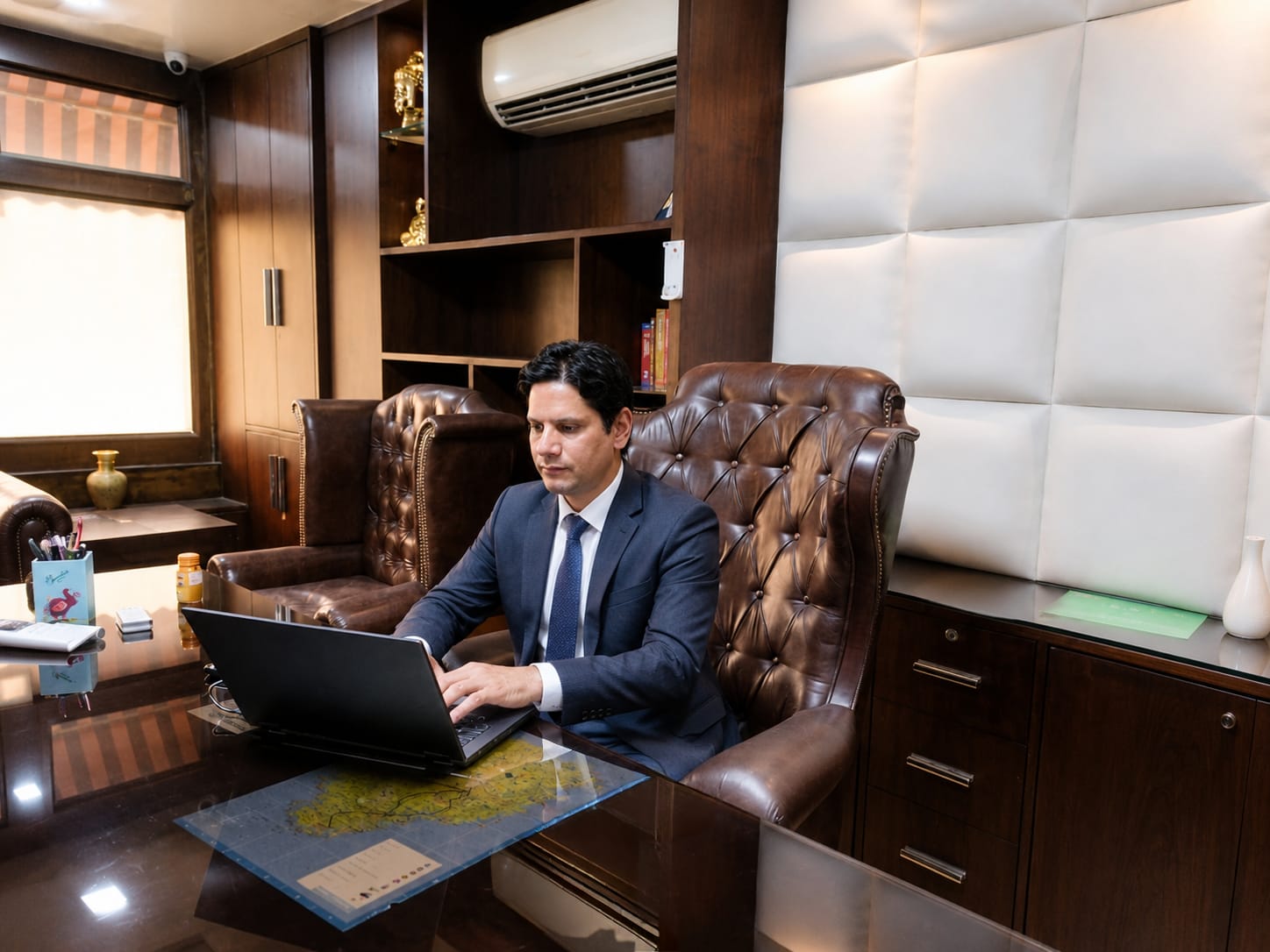
I'm Randeep Chaudhary — a technology leader and independent researcher with
a long-running interest in mathematics, theoretical physics, artificial
intelligence, and software engineering. I split my time between building
real systems for real businesses and chasing a private research question
about how geometry gives rise to the physical world.
Professional Journey
I currently serve as Director at MagicLenz, where I lead work on advanced
AI solutions, enterprise software, computer vision, and intelligent
automation. My career has moved through software architecture, distributed
systems, cloud computing, and large-scale enterprise application
development — always with an eye toward turning cutting-edge technology
into something a business can actually use.
Research Interests
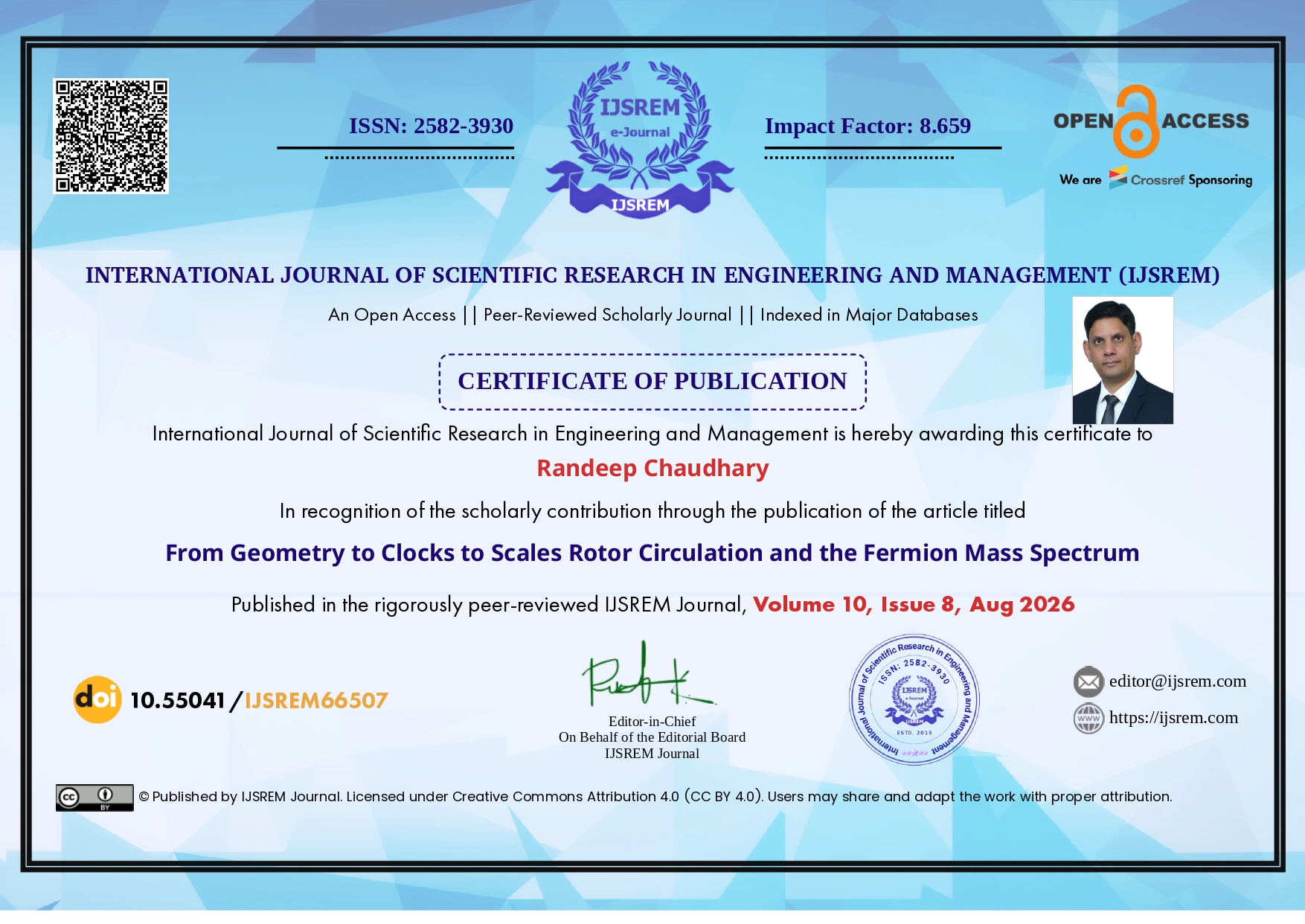
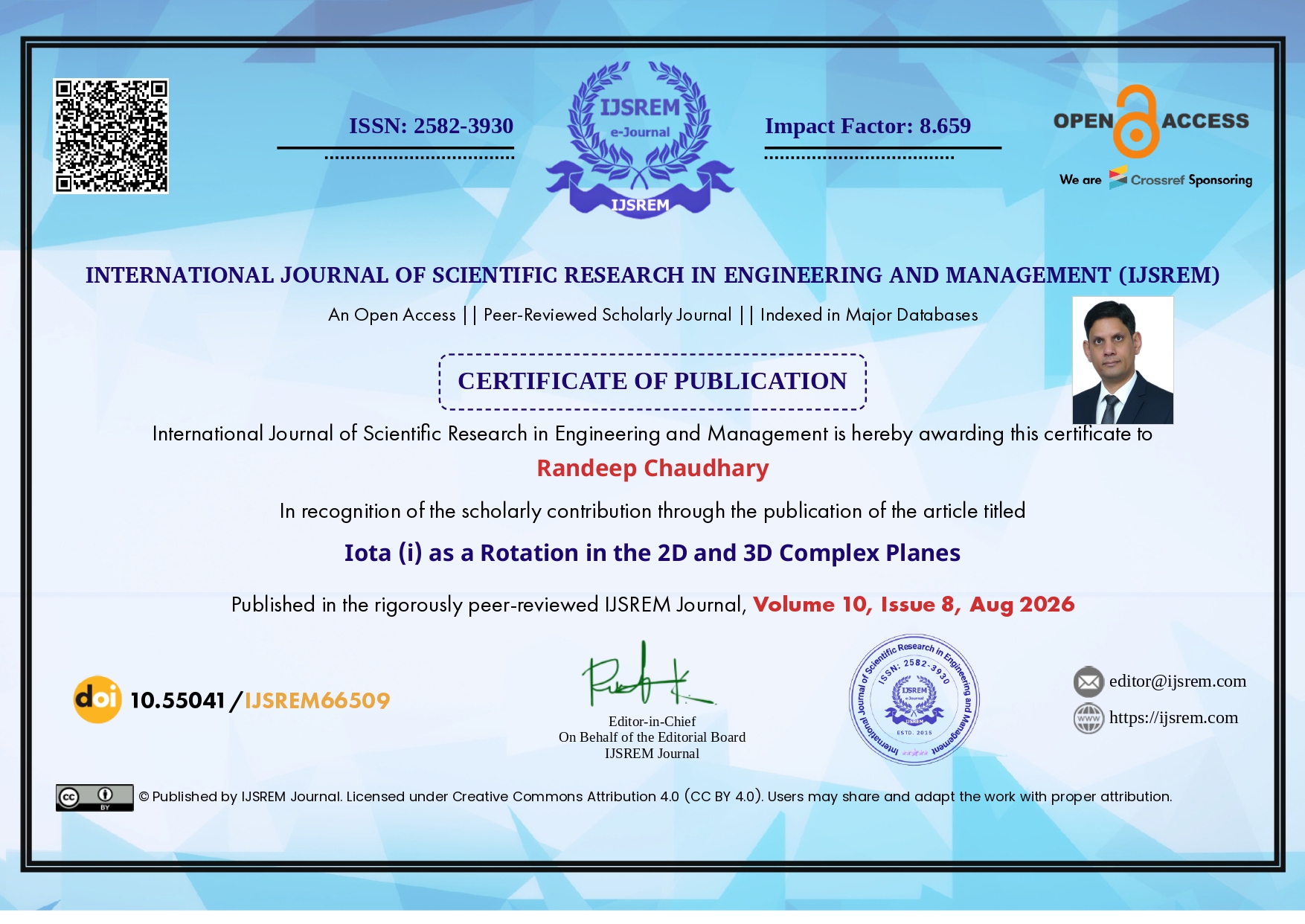
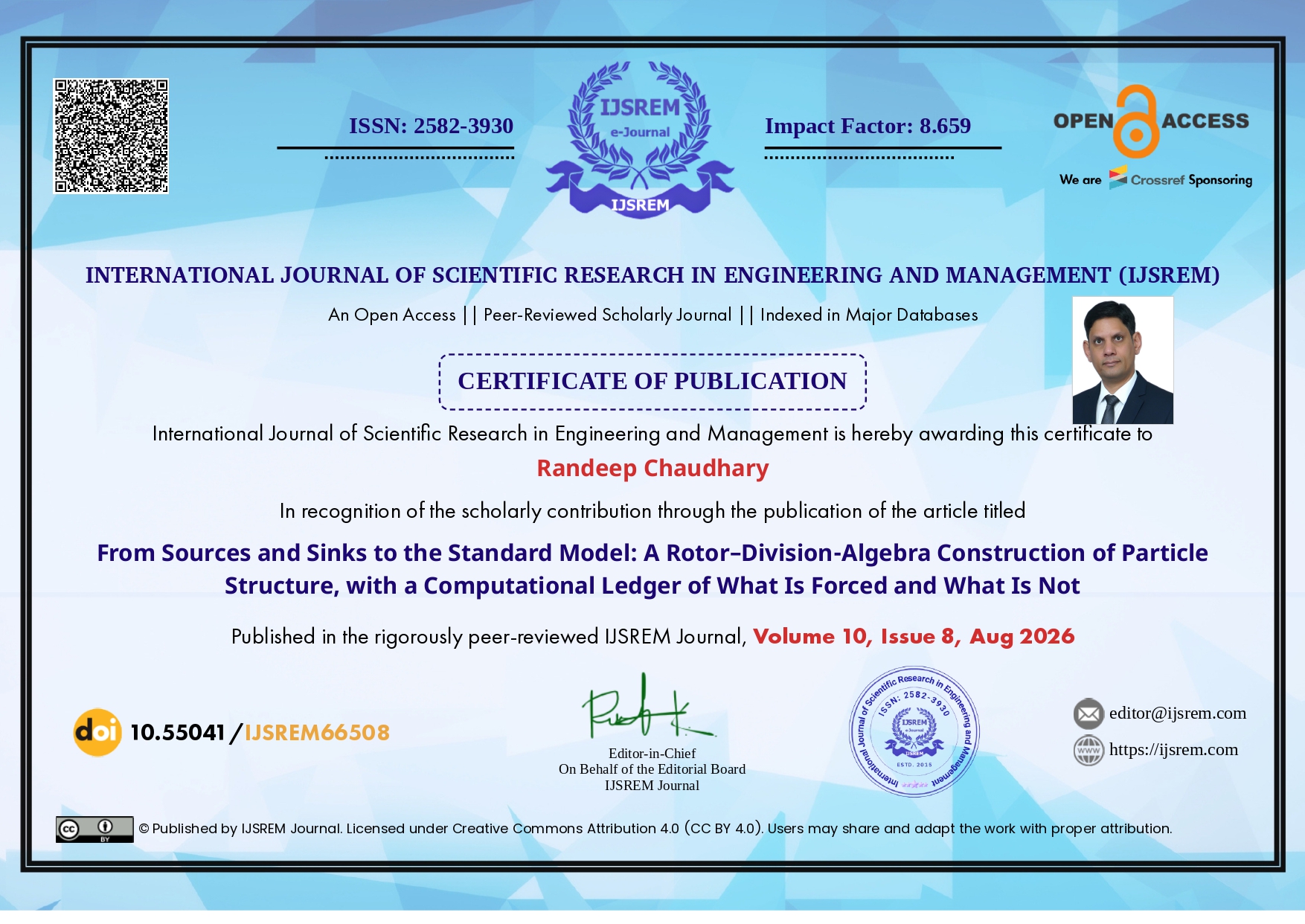
My independent research asks whether the symmetries and particles of the
Standard Model can emerge naturally from geometric principles. The current
thread develops iota (i) as a geometric rotor, exploring how
rotation in complex spaces might unify gauge symmetries, particle
properties, and mass generation. It draws on complex numbers and
rotational geometry, Clifford algebras, quaternions and octonions,
exceptional Lie groups (G₂, F₄, E₆), topology, differential geometry,
gauge theory, and computational mathematics.
Leadership Philosophy
I believe rigorous mathematics and practical engineering should
complement each other, not compete. The same discipline that makes a proof
hold together is what makes a distributed system reliable — clarity first,
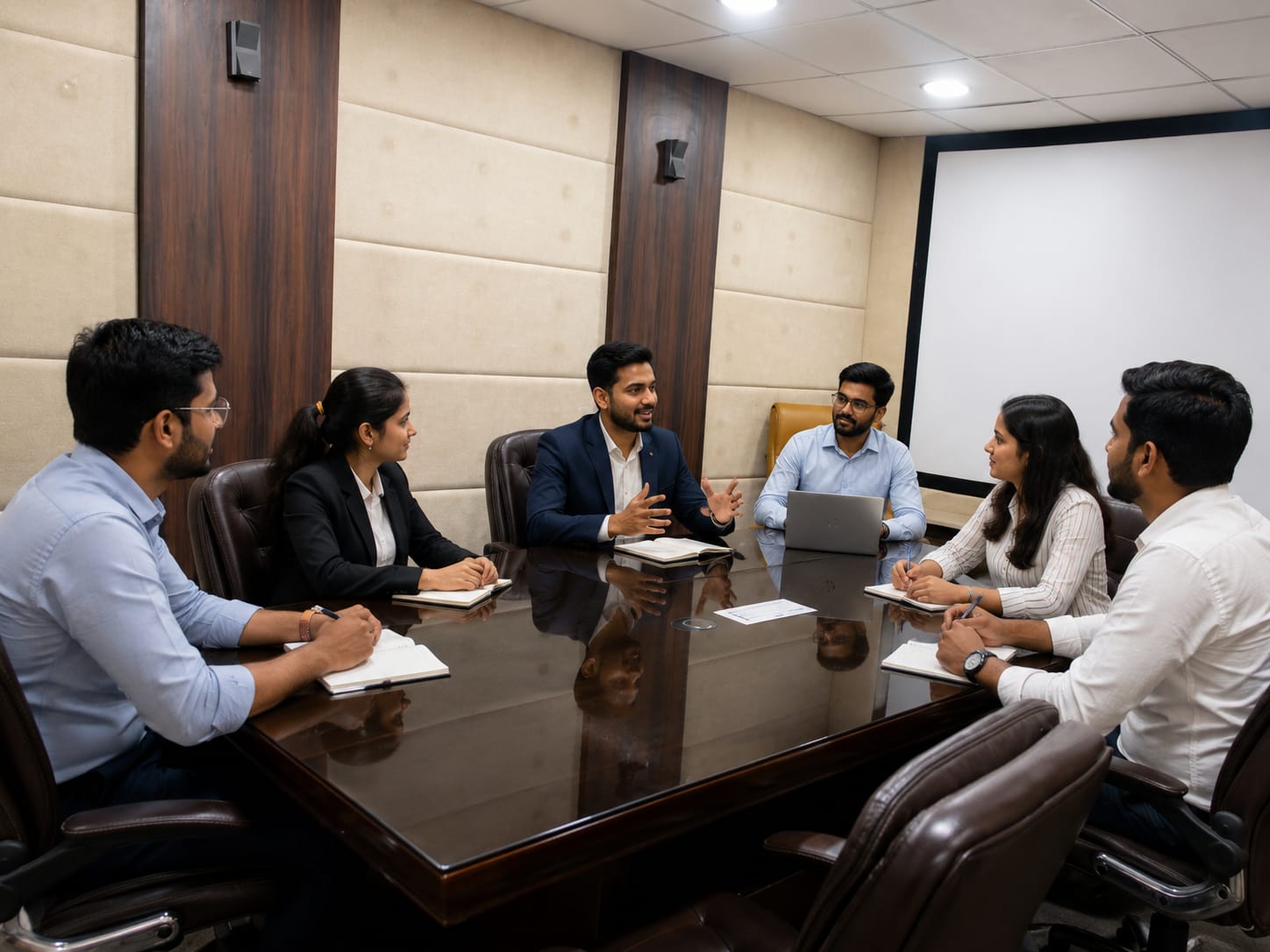
elegance second, shortcuts never. I try to lead teams the way I approach a
proof: define the problem precisely, then build toward the simplest
structure that actually works.
Future Vision
This work is ultimately about bridging two worlds I refuse to treat as
separate: abstract mathematical ideas and the computational models that
can test them against the physical universe. Going forward, I want to keep
publishing this research openly, keep building AI and enterprise systems
that hold up under real-world pressure, and keep the door open for
researchers, engineers, educators, and students who want to think about
any of this together.